Semi Automatic Bottle Filling Machine Exporter In New York City
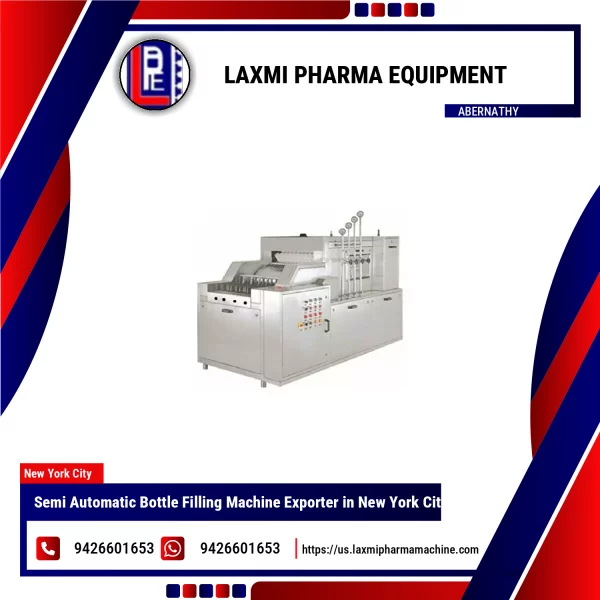
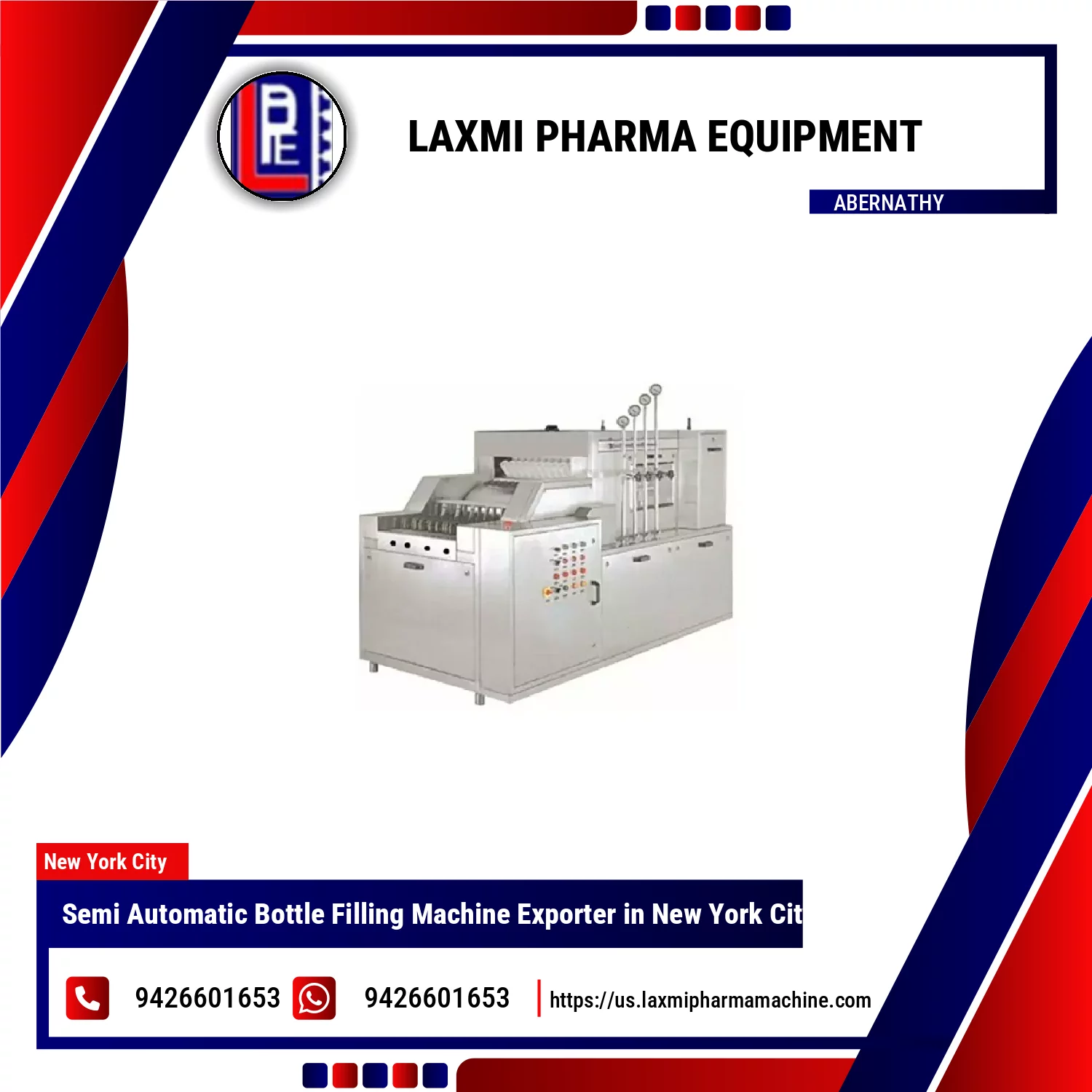
Details of Automatic Linear Type Bottle Washing Machine
We export semi automatic bottle filling machines from New York City. These machines serve small to medium pharmaceutical setups that need precise liquid filling without full automation costs. They work well where manual oversight is necessary but speed must not lag.
Many users find these machines reliable for oral liquids, syrups, and even chemical solutions that demand careful handling. The setup combines manual feeding with mechanical filling, reducing errors and spillages common in fully manual lines while cutting down on operator fatigue.
Performance
Semi-automatic lines offer good speed balance against quality control needs. Filling accuracy remains tight due to precise metering pumps integrated into the system. Operators keep an eye during stops or refills which cuts downtime compared to less flexible gear.
Ease of Use
The machine’s layout favors easy cleaning and adjustment, important when switching between products or bottle sizes. Controls are straightforward; even technicians new to pharma manufacturing adapt quickly.
Durability
Constructed with stainless steel parts and FDA-approved contact materials, these units withstand corrosive liquids and repeated wash cycles, maintaining hygiene and structural integrity long-term.
Over almost forty years we've built experience in crafting pharma line equipment tuned to practical challenges seen on shop floors worldwide. Our focus has always been delivering tools that actually ease production instead of complicating it further.
Clients rely on us not just for the gear itself but also because we understand regulatory compliance across regions they ship finished goods to—and adjust our designs accordingly.
This longstanding knowledge helps shape each model's features so they fit within real workflows seamlessly rather than stand apart as just another machine added on top of existing processes (which often causes more headaches).
If you want a closer look at how this fits your operation or have questions about integration or customization options, contact us directly. We don't expect every plant has identical needs—so we listen before proposing solutions.